El Pípila + Guanajuato on Film
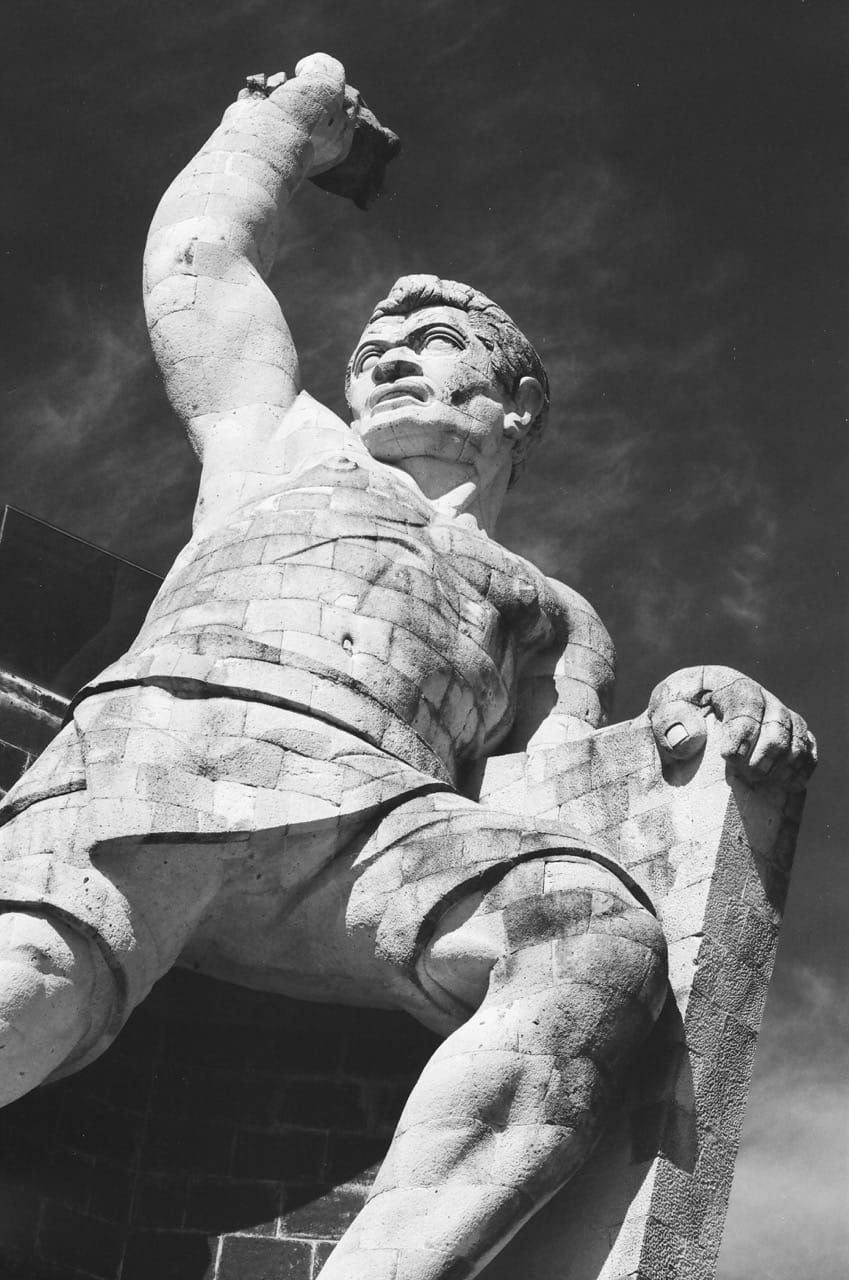
In my very first Analog Nomad Dispatch, from Guanajuato, Mexico, I wrote a bit about local hero El Pípila, a miner who helped Father Hidalgo’s mob break through Spanish defenses in one of the first battles of the Mexican War of Independence. That battle took place September 28, 1810 - 216 years ago today. So between that anniversary, and the happy coincidence that I’ve got new Guanajuato photos to share, I thought I’d get into the story of El Pípila a bit more.
“Pípila” is regional slang for “turkey,” and whether because of a birth defect that gave him a funny walk, or a freckled face, or some other reason, this nickname was applied to a silver miner from Guanajuato named Juan José de los Reyes Martínez Amaro. The ambiguity of his nickname’s origins foreshadow the ambiguity of his story as well. He seems to be a bit of a folk hero of the area, like a John Brown type.
My Lonely Planet guidebook, my Rough Guides book, Wikipedia, and other internet sites all tell different versions of the details, but the basic story is that Hidalgo’s mob of ‘troops’, assembled during the Grito two weeks before and increased as they made their way from Dolores to Guanajuato, surrounded the Alhóndiga - the main grain storage and exchange building in the city of Guanajuato - where the Spanish colonizers had barricaded themselves.
Hidalgo had tens of thousands, and while the Spanish numbered only 400 or so, they had the advantage of the Alhóndiga’s meter-thick stone walls, surrounding moat, and single entrance gate. As Hidalgo’s mob lay siege, hundreds died trying unsuccessfully to break down the wooden gate at the entrance. Towards the end of the day, Juan José stepped up to volunteer (or was reluctantly recruited, depending on the version of the story) to try and burn down the doors.
El Pípila strapped a stone slab to his back as a shield against the deadly Spanish musket fire, and slowly crawled toward the entry gate. He somehow carried a torch and a bucket of tar as well, and eventually made it uninjured (or lightly injured, again depending) all the way. He then threw the tar on the gate’s thick wooden door and held the torch to it. The door caught fire, and burned through, and Hidalgo’s mob rushed the newly opened gate to sieze the granary and massacre the colonizers inside. El Pípila became a hero, and either lived on as a miner for several decades or died shortly thereafter.
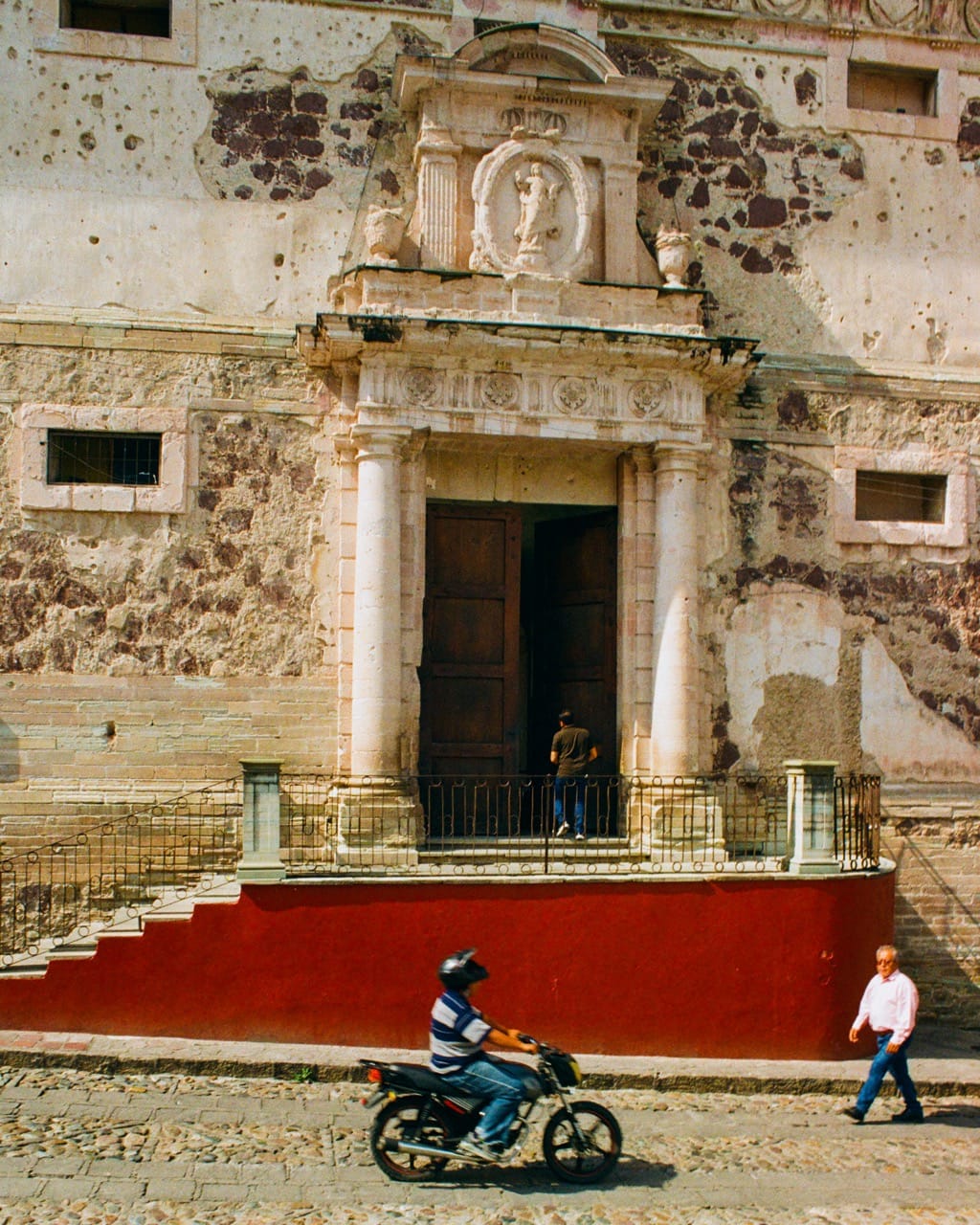
The Alhóndiga is still there - as are pockmarks in the stone from the battle. The wooden doors have been replaced, but one can tour it if one catches them unlocked at the right time. It hosts some government offices now as well.
And El Píplia has a giant, impressive stone statue of himself at the top of the ridge surrounding the center of Guanajuato City. A funicular from the center makes the hundred-meter-plus vertical trip in a few minutes, and the veranda in front of the statue provides a panoramic view over the city.
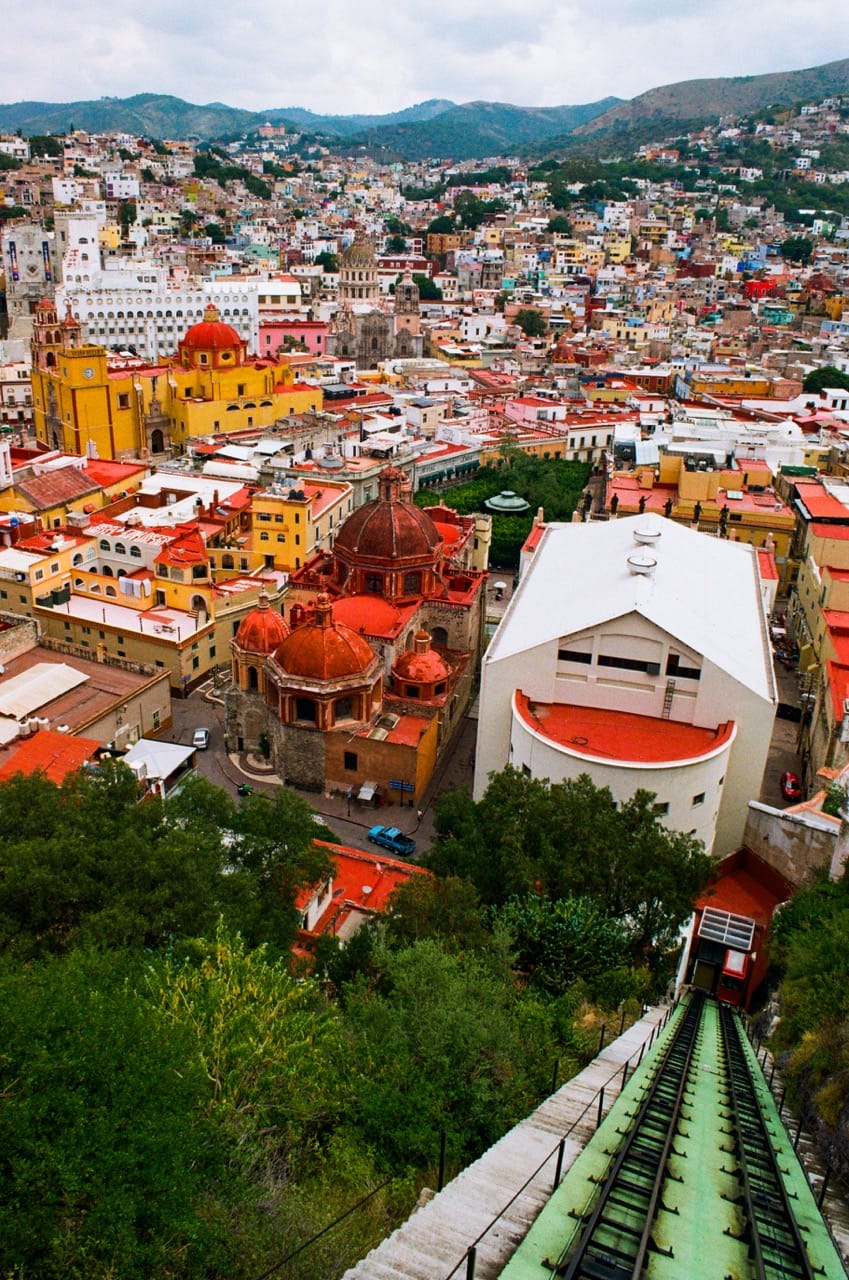
One can pay to climb up into the monument itself, which would get you an extra 15 meters or so of height for your view, and perhaps a more-unique shot for your ‘gram. I didn’t do it. Instead, I stood pondering the inscription on the base of the monument, which reads “Aún hay otras Alhóndigas por incendiar” - or, in English, “There are always more granaries to burn.”
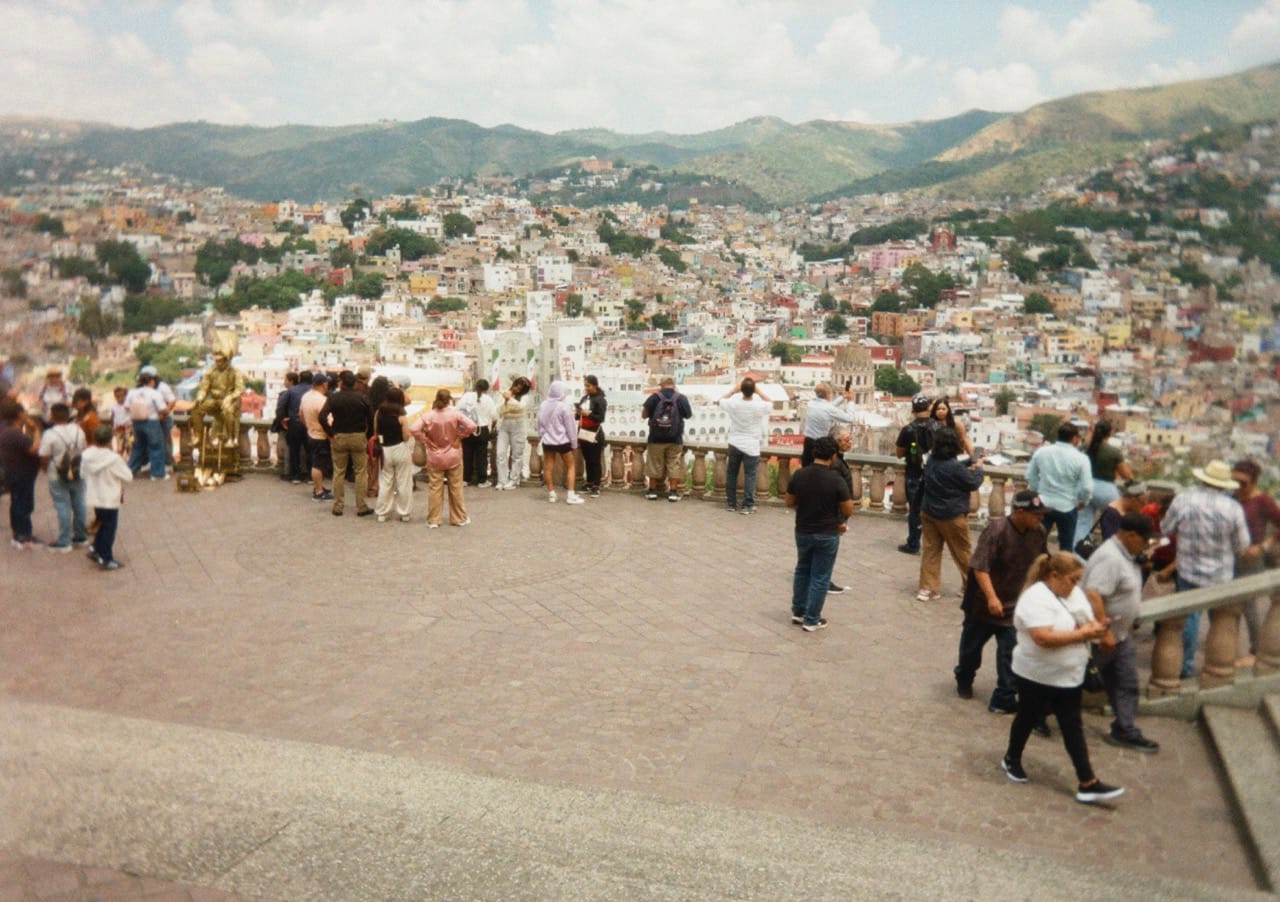
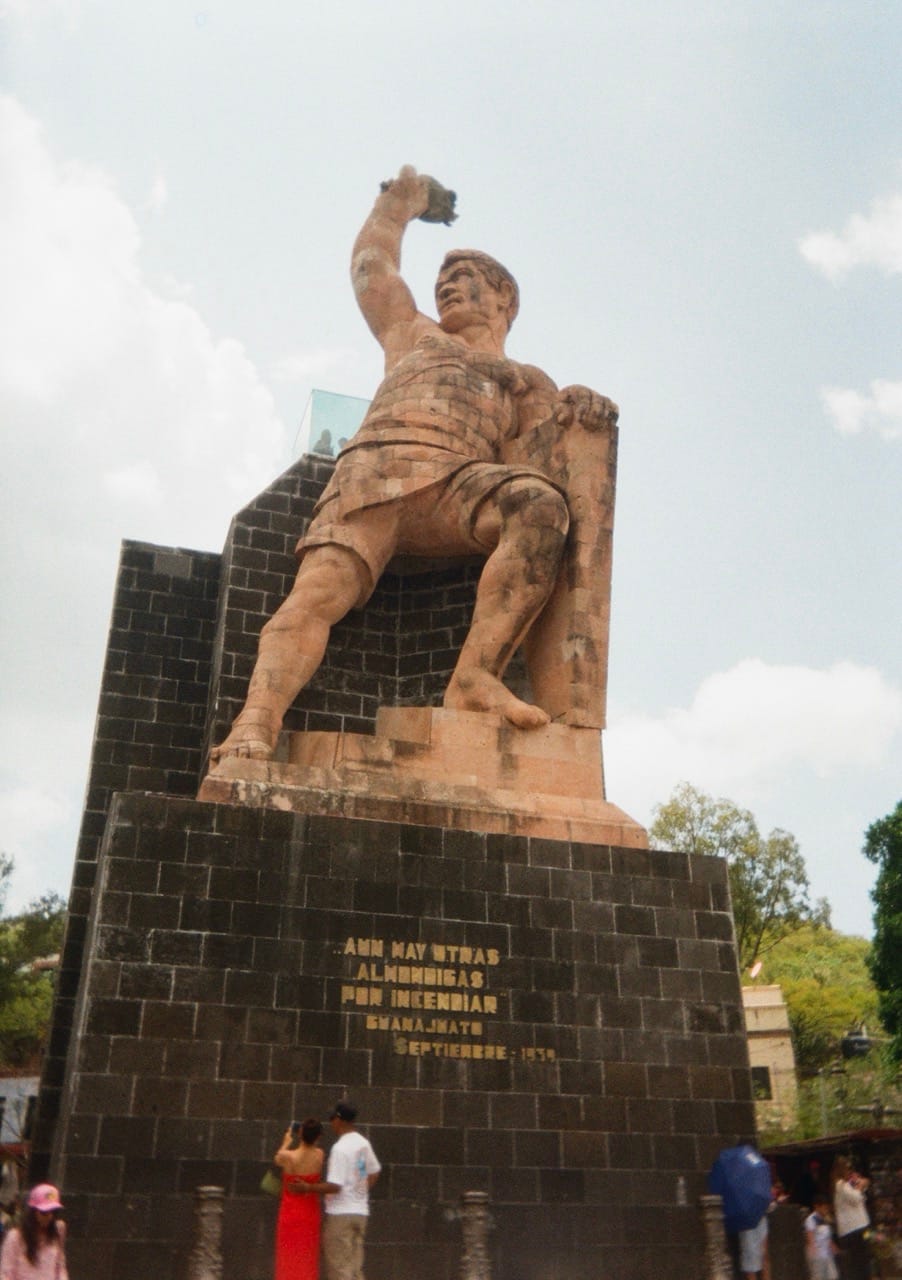
Taken from the same spot: The City of Guanajuato on the left, El Pípila on the right. (Kodak Ektar H35 camera, Kodak Gold 200 film)
Wikipedia says that the monument’s torch is known as the “Torch of Liberty”, and that the meaning behind the slogan is “the fight for freedom never truly ends.” That’s all well and good, but I suspect the intent of the sculptor might have been a bit more pointed.
The monument went up in 1939-1940, just as Franco’s Nationalists were declaring victory in the Spanish Civil War and Hitler’s Nazis were beginning to storm Europe. I couldn’t find much on him online, but it seems that its scupltor, Juan Fernando Olaguíbel, was involved in the Mexican Revolution and had ties to other leftist Mexican artists such as Siquieros, the painter. So I’d bet that El Pípila’s torch was not meant simply and banally to fight for freedom, but to fight against fascism. After all, he took the torch to the colonists. Olaguíbel seems to be carrying the message forward.
Of course, it carries forward into our present day as well. Within the US, Europe, and elsewhere, there are plenty of granaries to burn. I’ll leave it to you all to think about which ones might be relevant to you.
And, since I’ve got some other pictures I like from Guanajuato on this roll, here’s a few more highlights! Comment below or click here if you’d like to buy a print of any of these. All photos in this post, unless otherwise noted, were taken with a Nikon FM2 on Kodacolor 200 film.
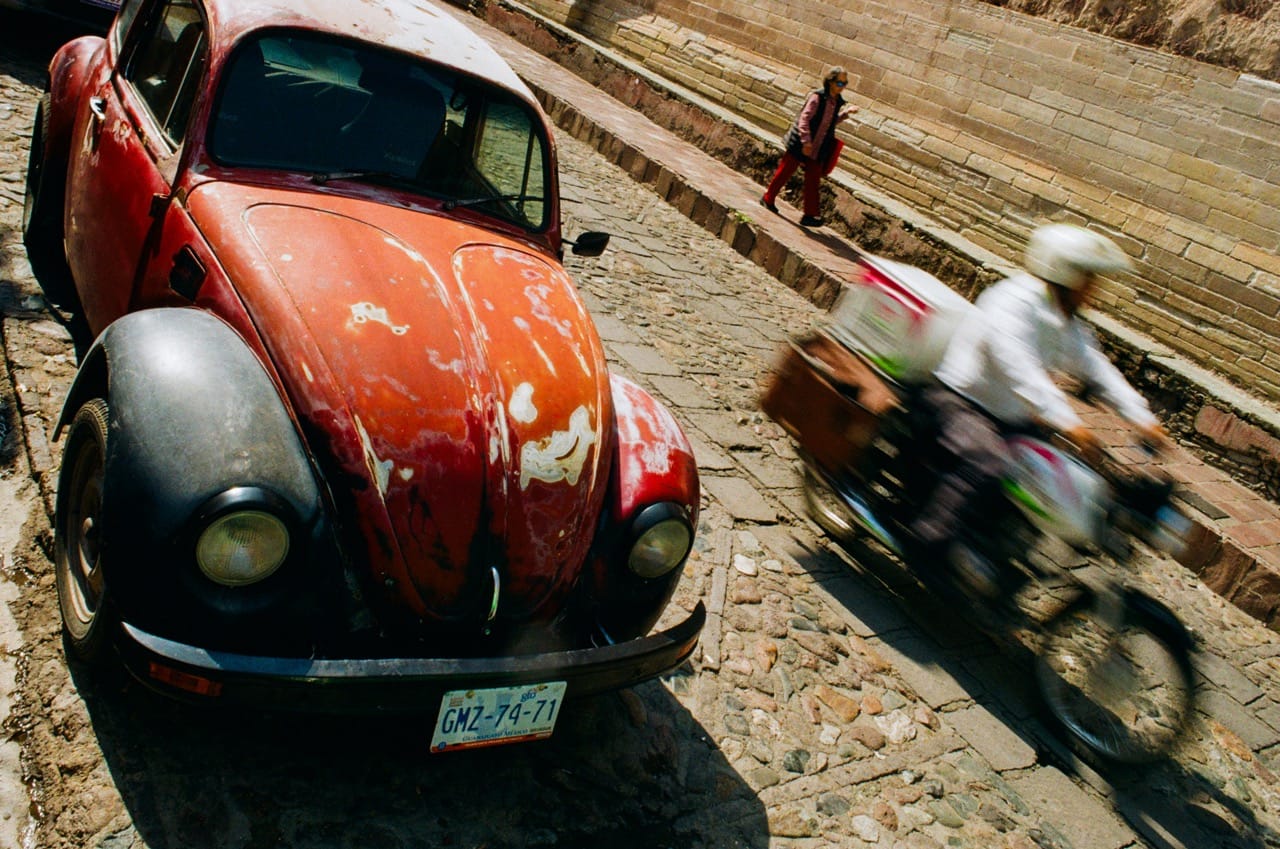
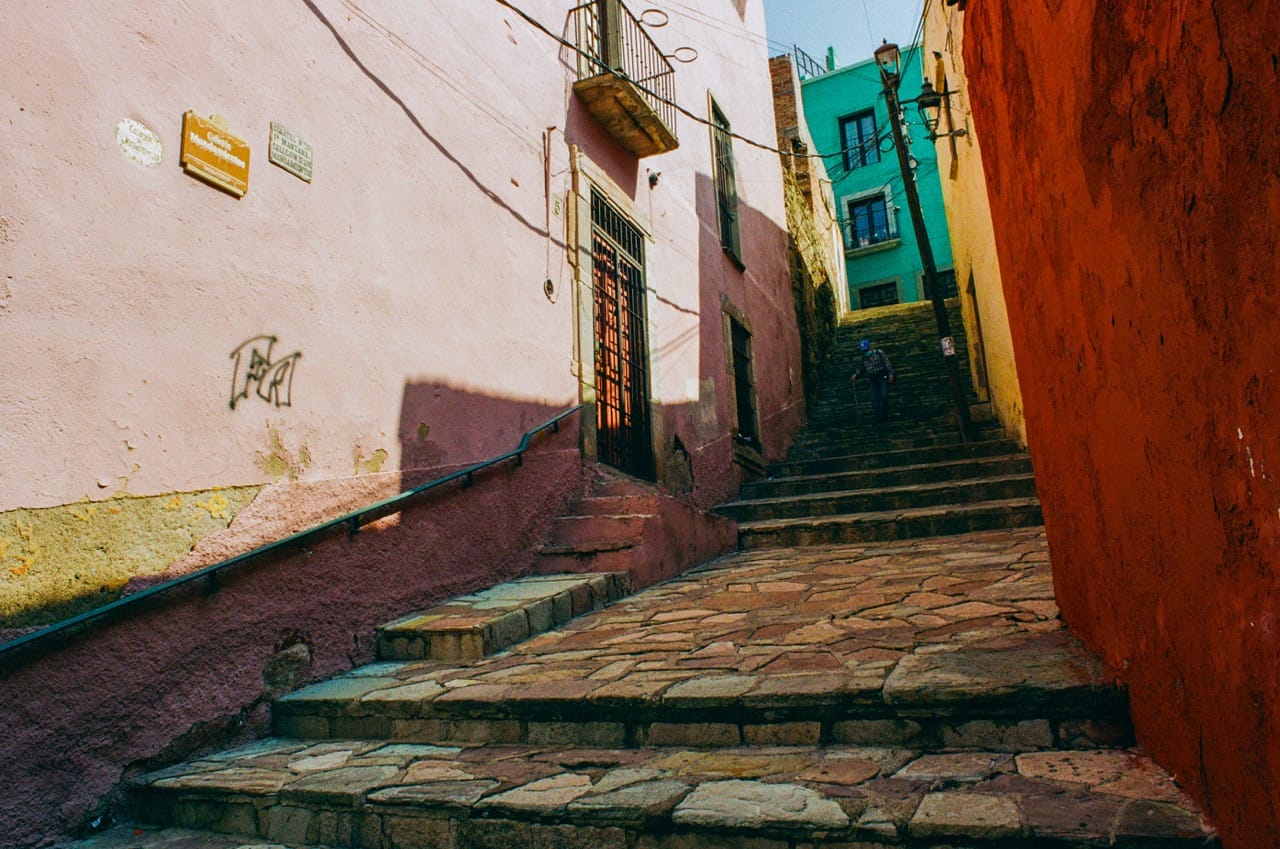
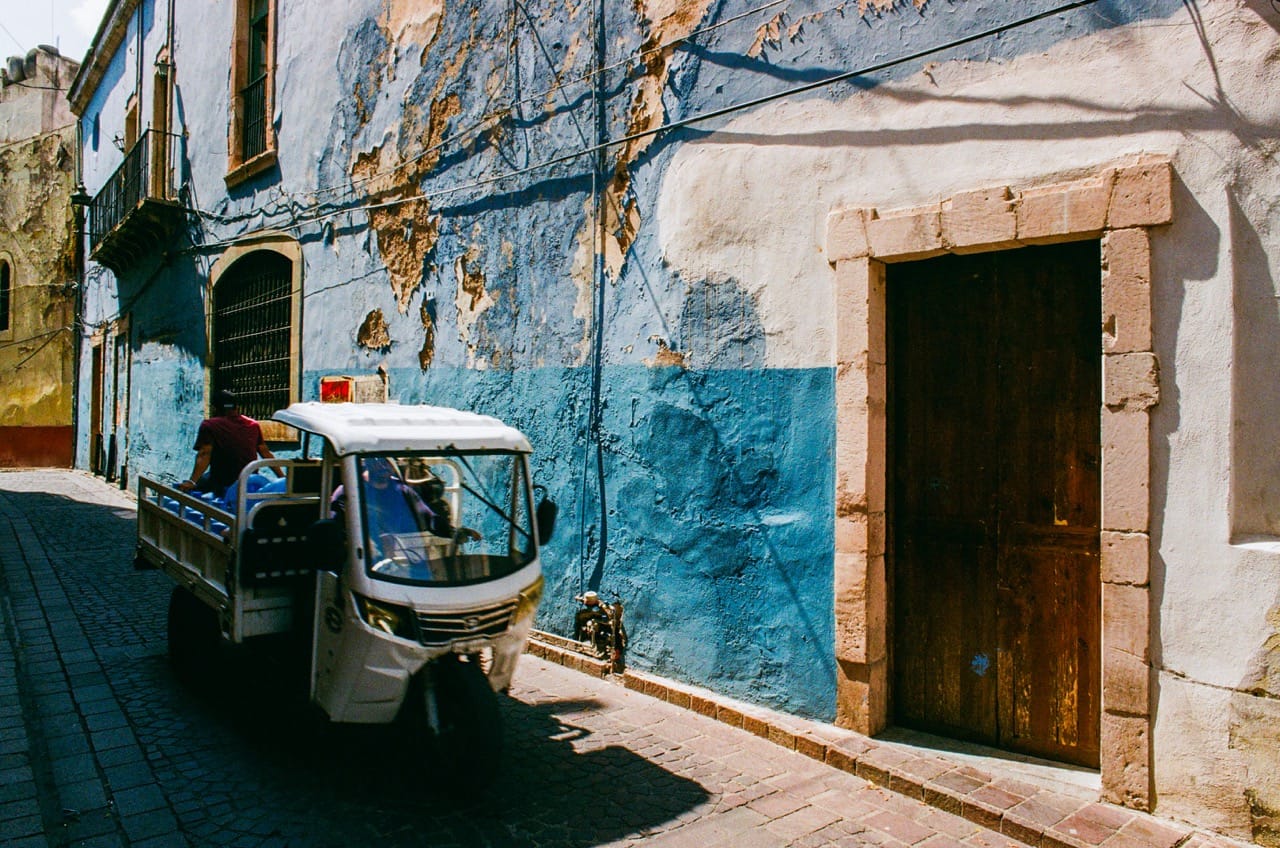
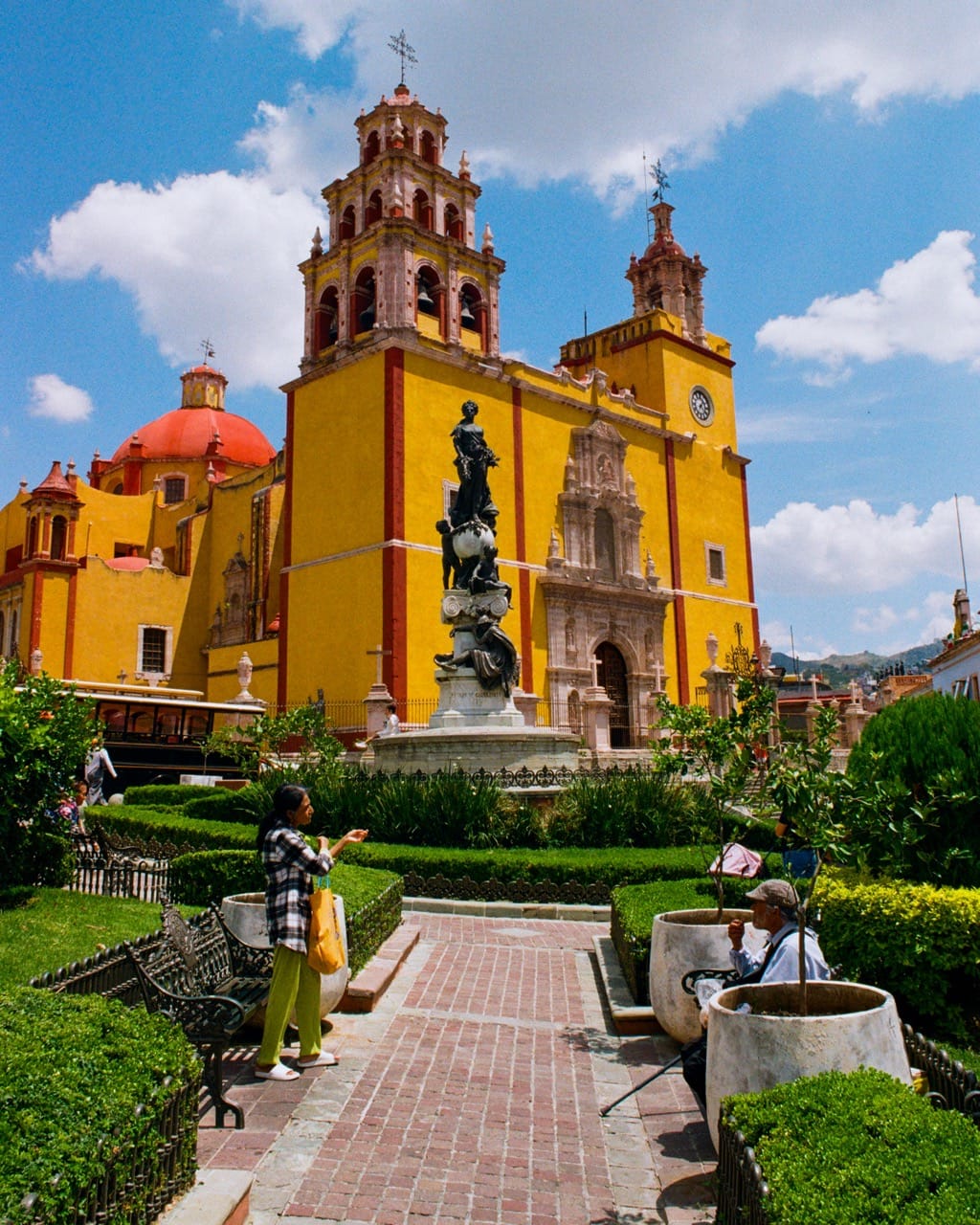
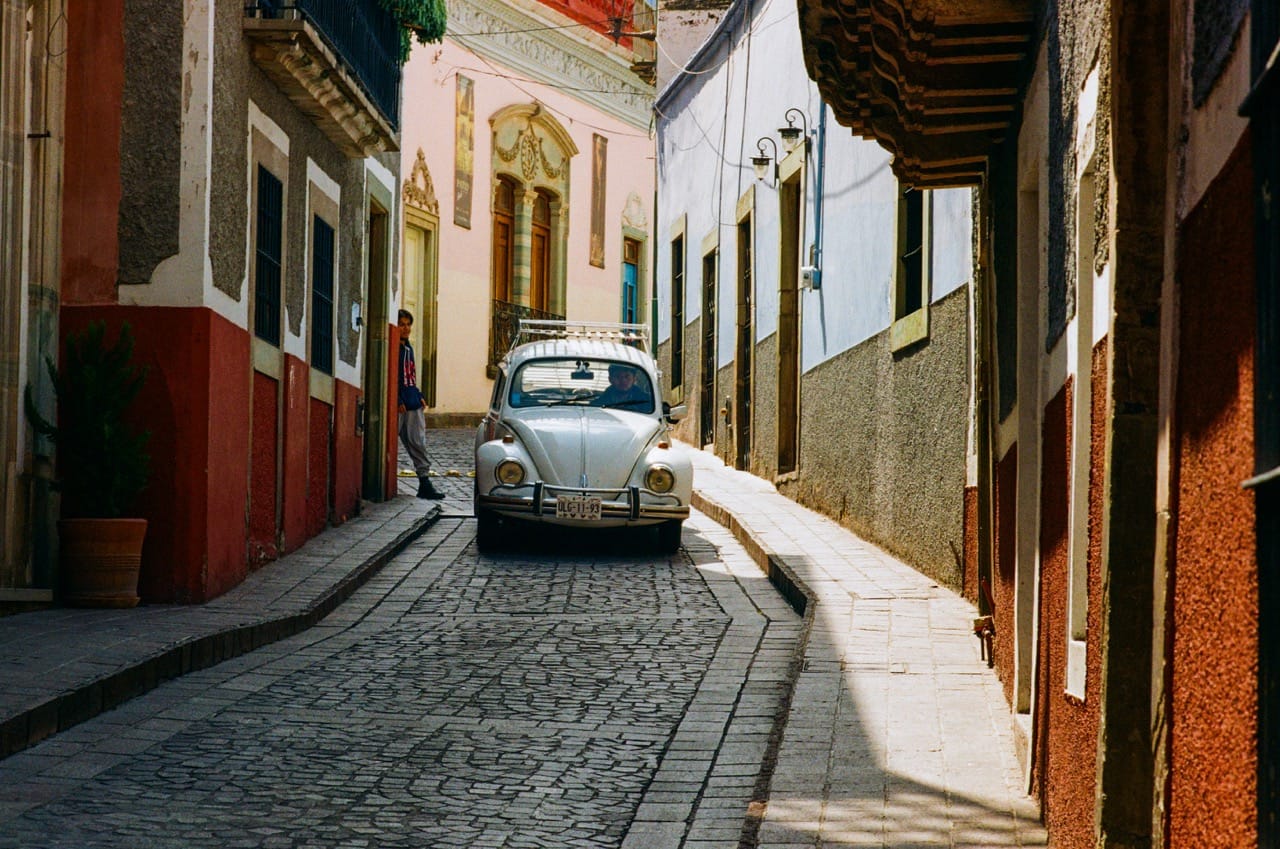
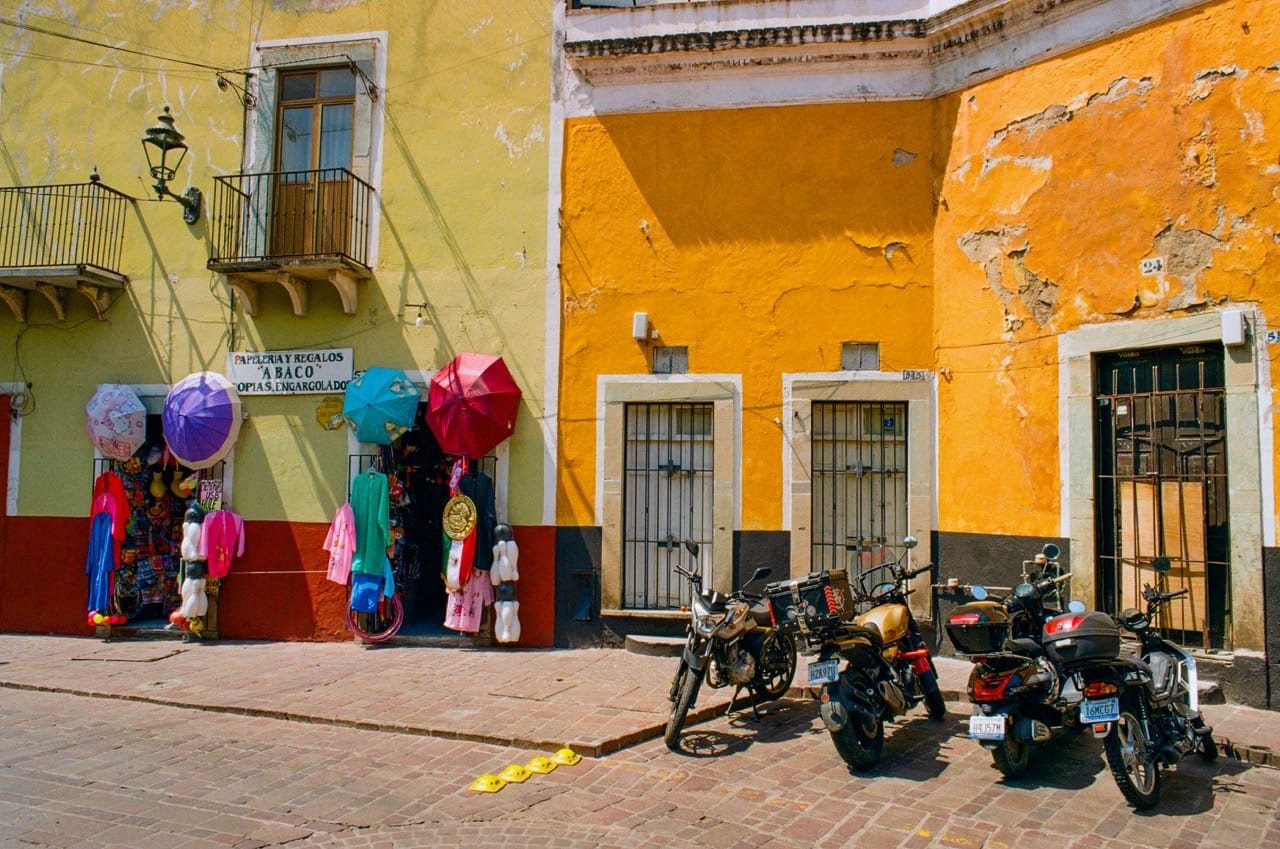
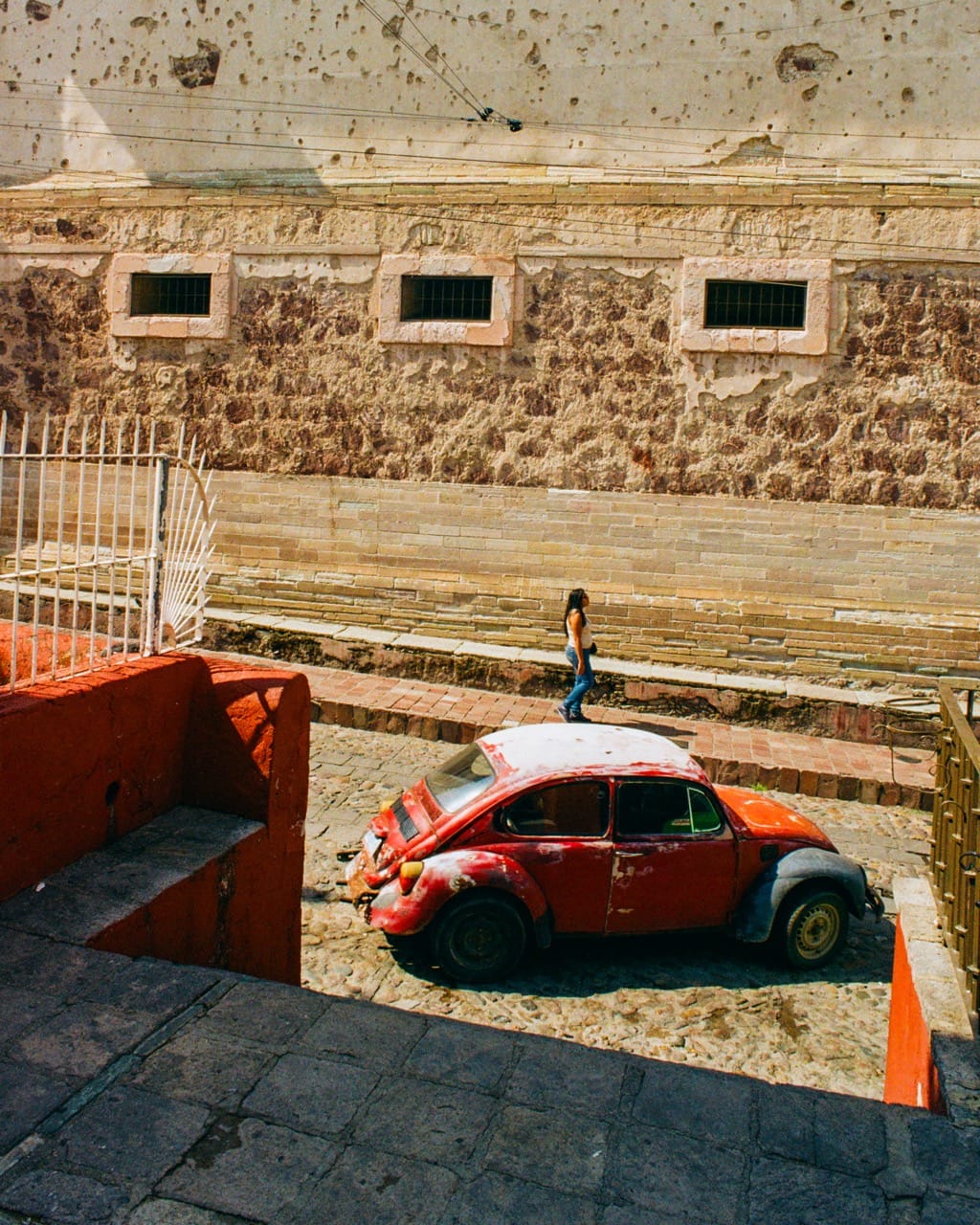
Guanajuato, Mexico, September 2026
Thanks for reading, and looking! Subscribers get a Dispatch, including a roundup of posts, to their digital mailbox a few times a month - and it’s free to subscribe! Click here to do so. You can also support me by upgrading a free subscription to a paid one, or leaving me a tip here. Each roll of film costs 30 US dollars to buy, develop and scan, so every bit helps!
Member discussion