Review: Kodak H35 Half-Frame Camera
In my first post here on The Analog Nomad, I showed off some pictures I took on the train using a half-frame film camera. Well, September 5 is World Half-Frame Photography Day - so I thought I’d post a bit about the camera I’m using. (There’s a World Day for everything, it turns out. I just missed World Blogging Day on August 5.)
That camera is the very cheap and extremely plastic Kodak H35. Cheap and plastic might not seem like strong selling points for everyone, but they were for me.
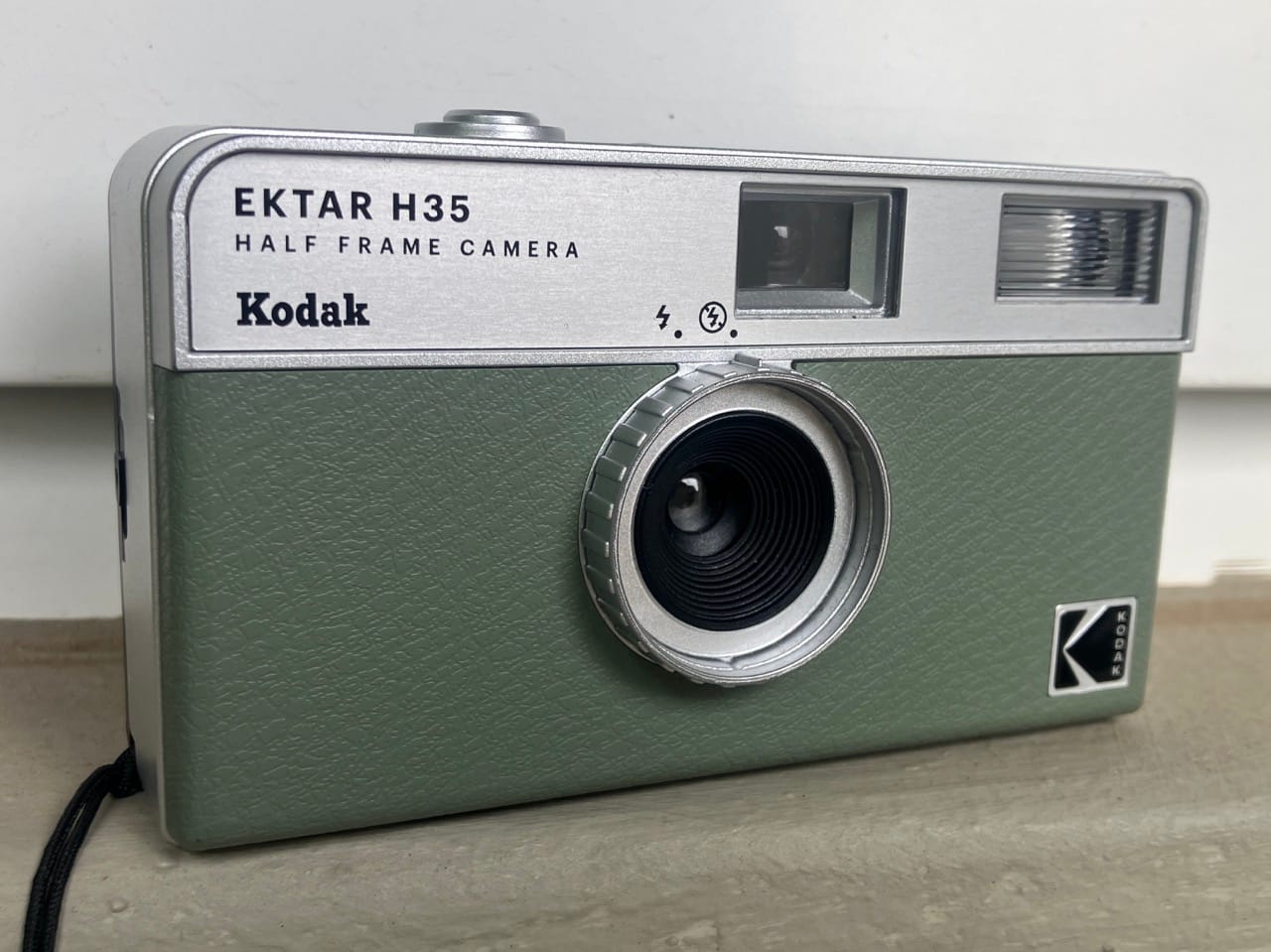
First, a brief explanation of what ‘half-frame’ means. A standard 35mm film camera creates a ‘frame’, or exposure on the film negative, in the shape of a rectangle 24mm high and 36mm wide. Half-frame 35mm cameras like this H35 (‘Half 35mm’ - clever folks, those Kodak marketers) create an exposure on the film negative that’s still 24mm high, but only 18mm wide - in other words, half the size of standard.
This means when shooting with a half-frame camera, you get twice the images from a roll of film than you would with a full-frame 35mm - 72 exposures fit on a standard ’36 exposure’ roll. The tradeoff is that each exposure, because it only takes up half the space on the negative, is lower-resolution.
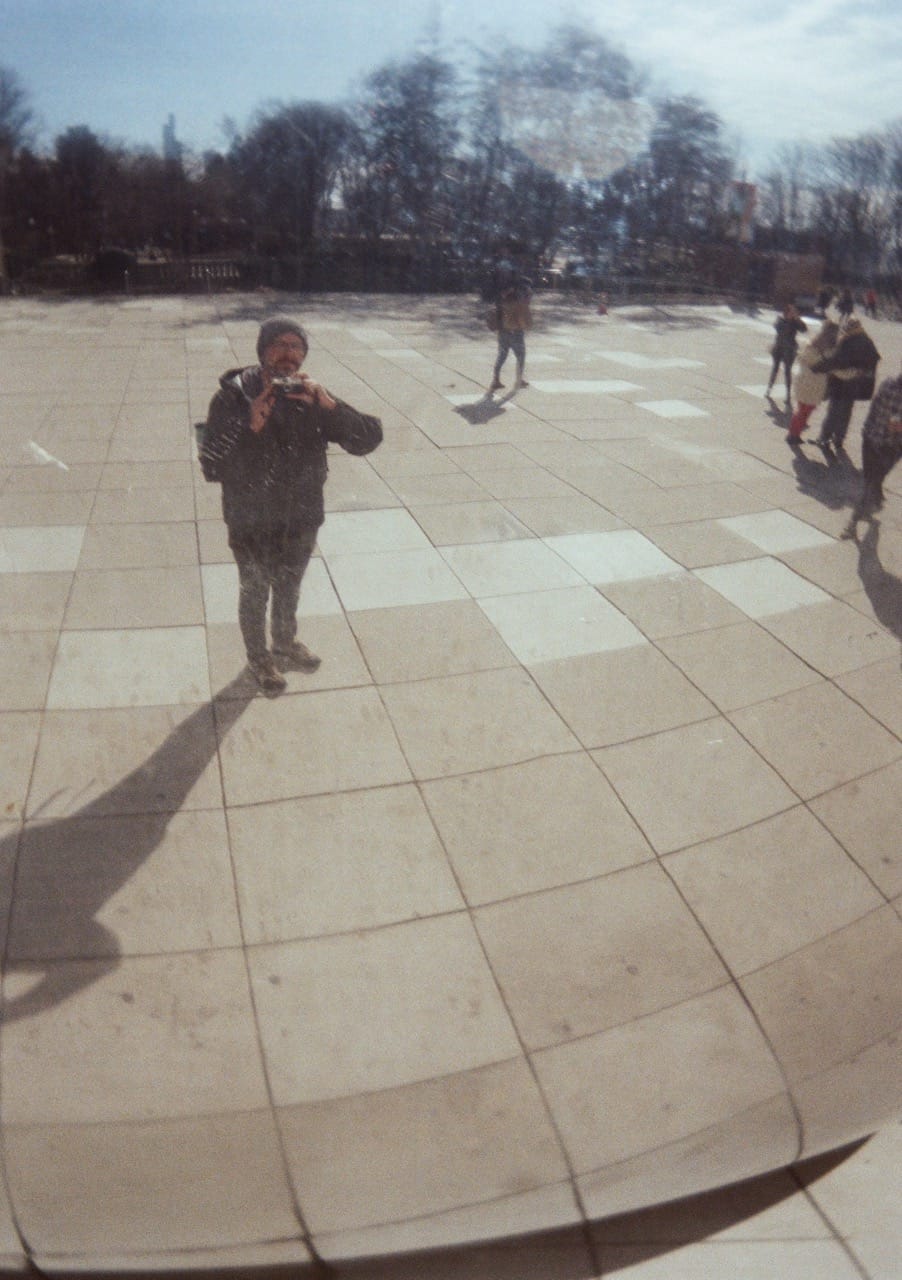
The H35 takes that lower-resolution output and runs with it. As I said, the camera is made of plastic, and that includes the lens. So the lo-fi tendency of half-frame shooting is exaggerated because you’re shooting through plastic instead of glass. For me, that lo-fi, somewhat muddled look is part of the point. I fell in love with the look of shooting through plastic while using a Holga.
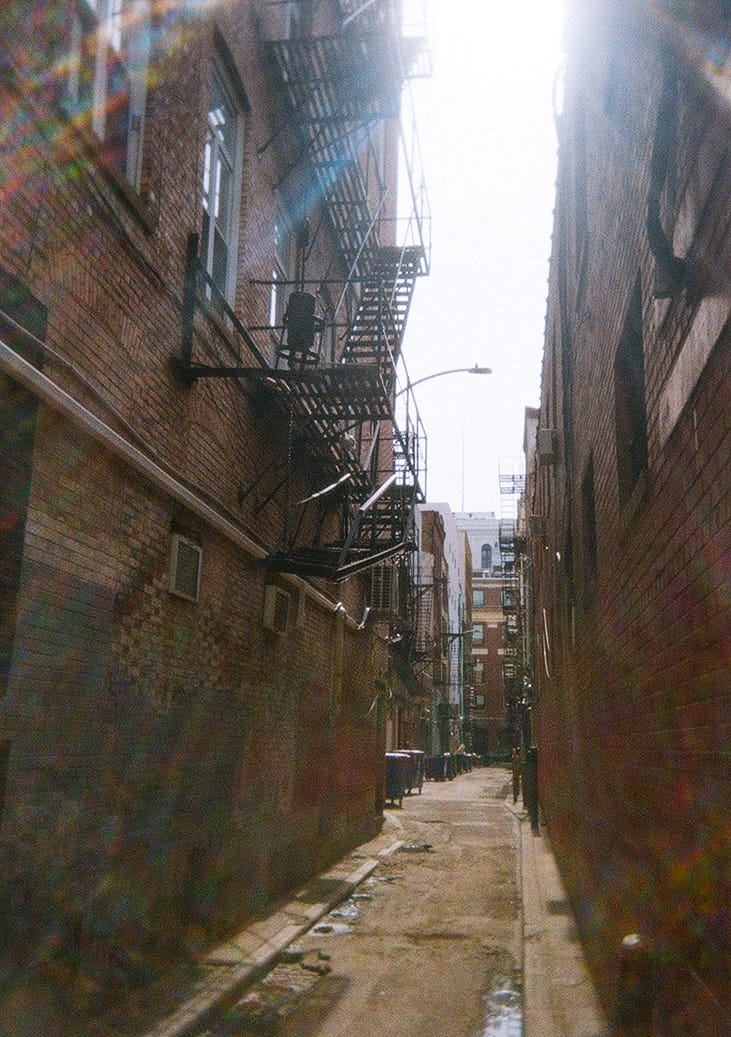
But the Holga uses medium-format film, a larger film stock. And I could only get a maximum of 16 exposures on a roll. So for the kind of long-term budget-travel adventure that I’m currently on, packing a smaller camera like the H35 - which gives me 72 images on a roll - made a lot more sense. Besides, I like the lo-res qualities; they look vintage - the H35 makes images that could be from forty years ago.
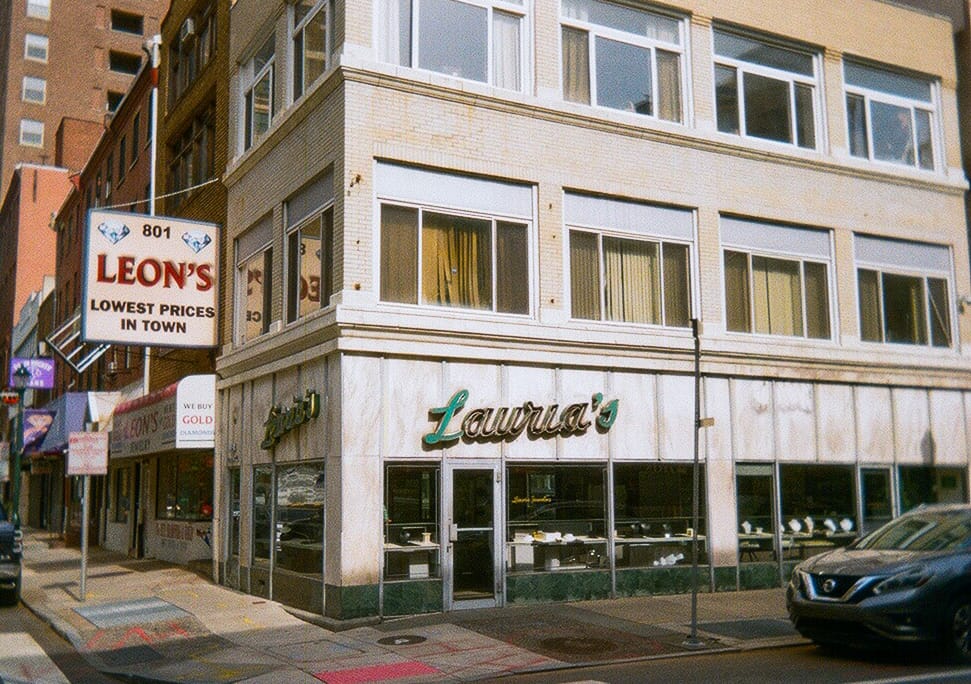
The H35 cost me only fifty US dollars to buy. It being all plastic is a big reason it’s so cheap. Another reason is that, besides the availability of a relatively weak flash, it has no functional options. The aperture (f/9.5) , shutter speed (1/100), and focal length (minimum 1m) are all fixed. In that sense, it’s a true point-and-shoot - you as the photographer can’t really do anything besides that.
As I wrote before, I find that limited functionality to be an interesting challenge. The only thing I have control of when shooting with the H35 is what I’m pointing the thing at. So I have to rely only on compositional elements, such as quality of light, framing, subject, and so forth to make my photos interesting.
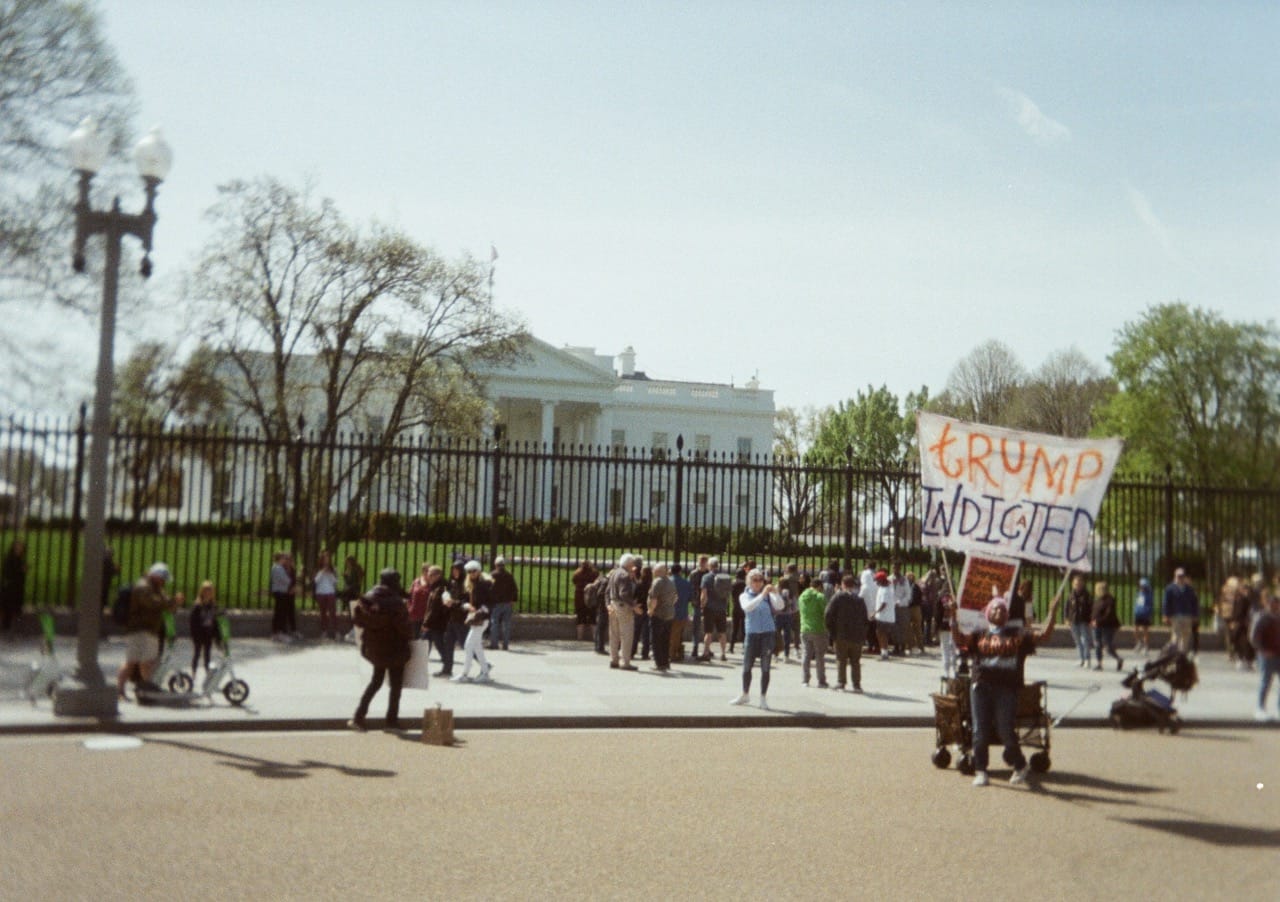
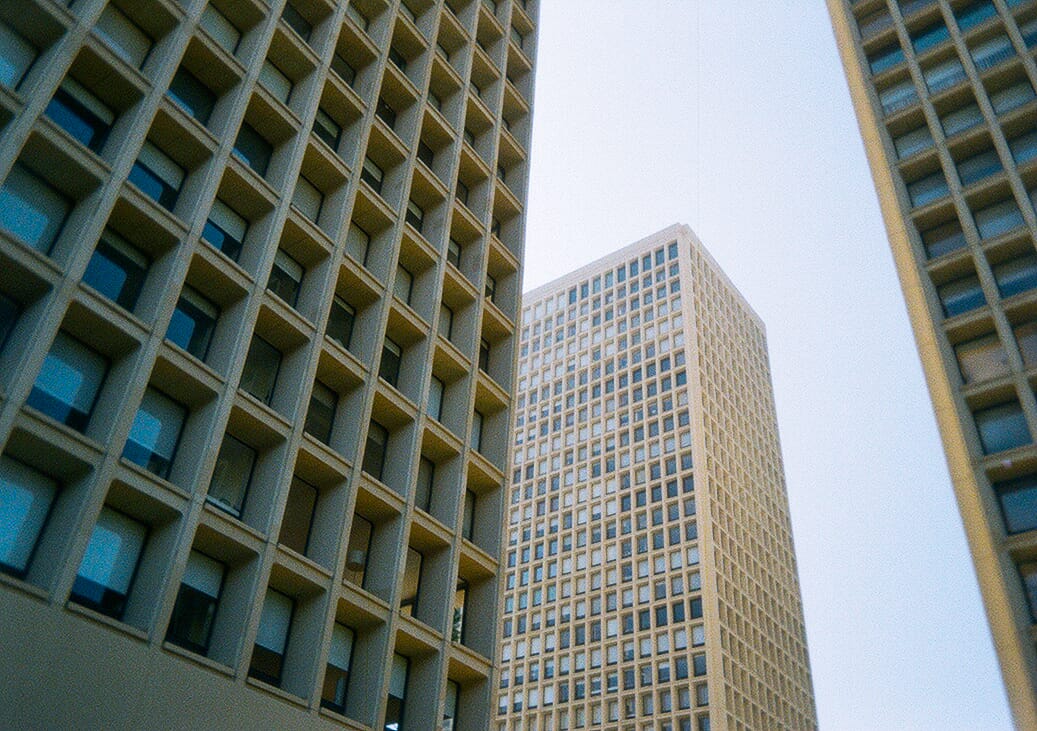
A couple of good framing choices here, I'd say. Washington, DC and Philadelphia
Even framing, though, is a bit of a crap-shoot, since I’ve found that the viewfinder isn’t 100% accurate - it’s seemed to me like the actual frame exposes a bit more than the viewfinder shows.
Many photographers who use half-frame cameras try to intentionally use the frame width in a diptych-like way - they will scan or develop the full 35mm frame size, which gives them two images side-by-side in one photograph. I’ve tried this, and it can be fun, but I don’t generally shoot the H35 this way. Shooting diptych-style also necessitates vertical framing, and I prefer horizontal - though if you're used to shooting on a phone, the vertical orientation gives you a similar aspect ration.
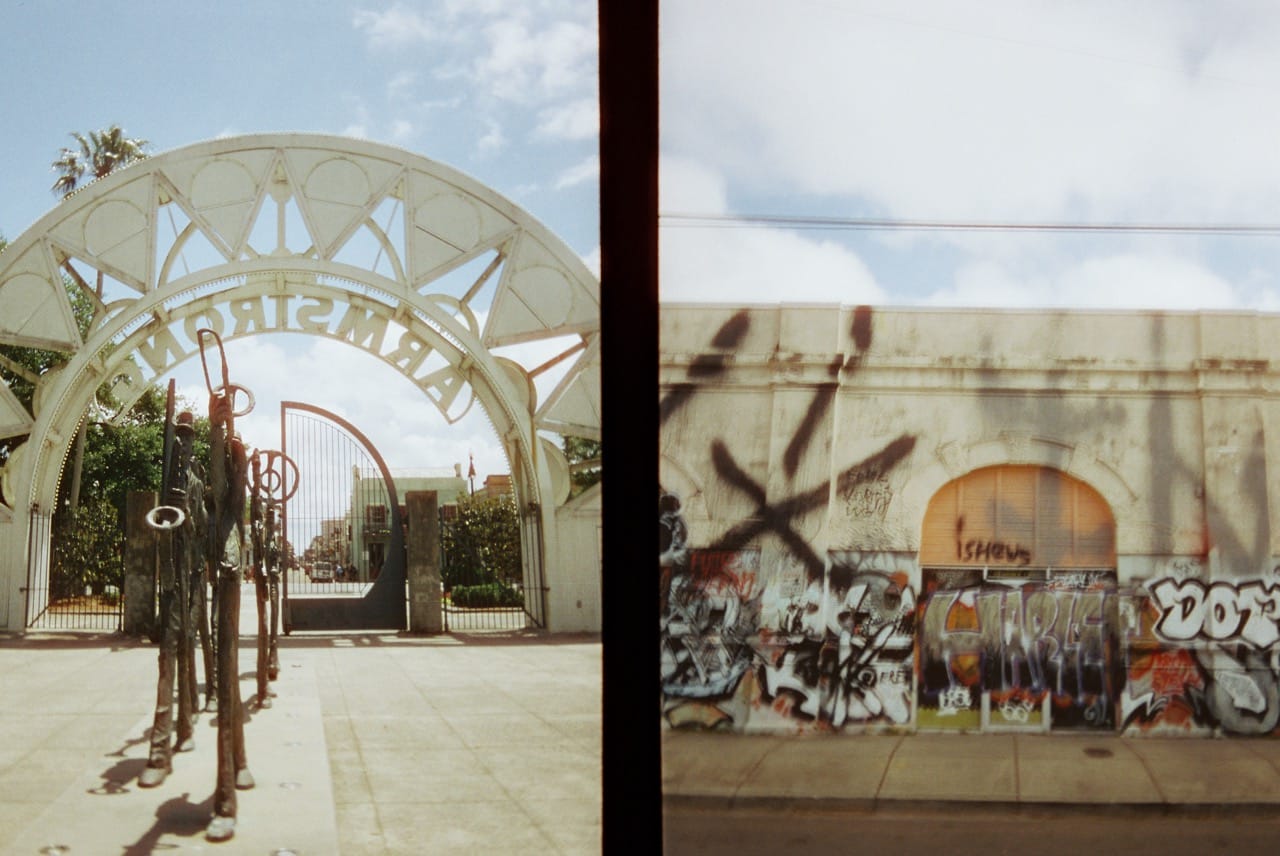
One drawback of this camera is that, because the fixed shutter speed is not super fast, my photos sometimes come out with a motion blur. That can be great if it’s intentional, but if I’m shooting while moving, or even if I don’t have a firm hold when I’m standing still, it can ruin a shot. (Some other reviewers have said that the shutter itself on this camera can cause motion blur, but I haven’t been able to determine if that has been a problem for me.)

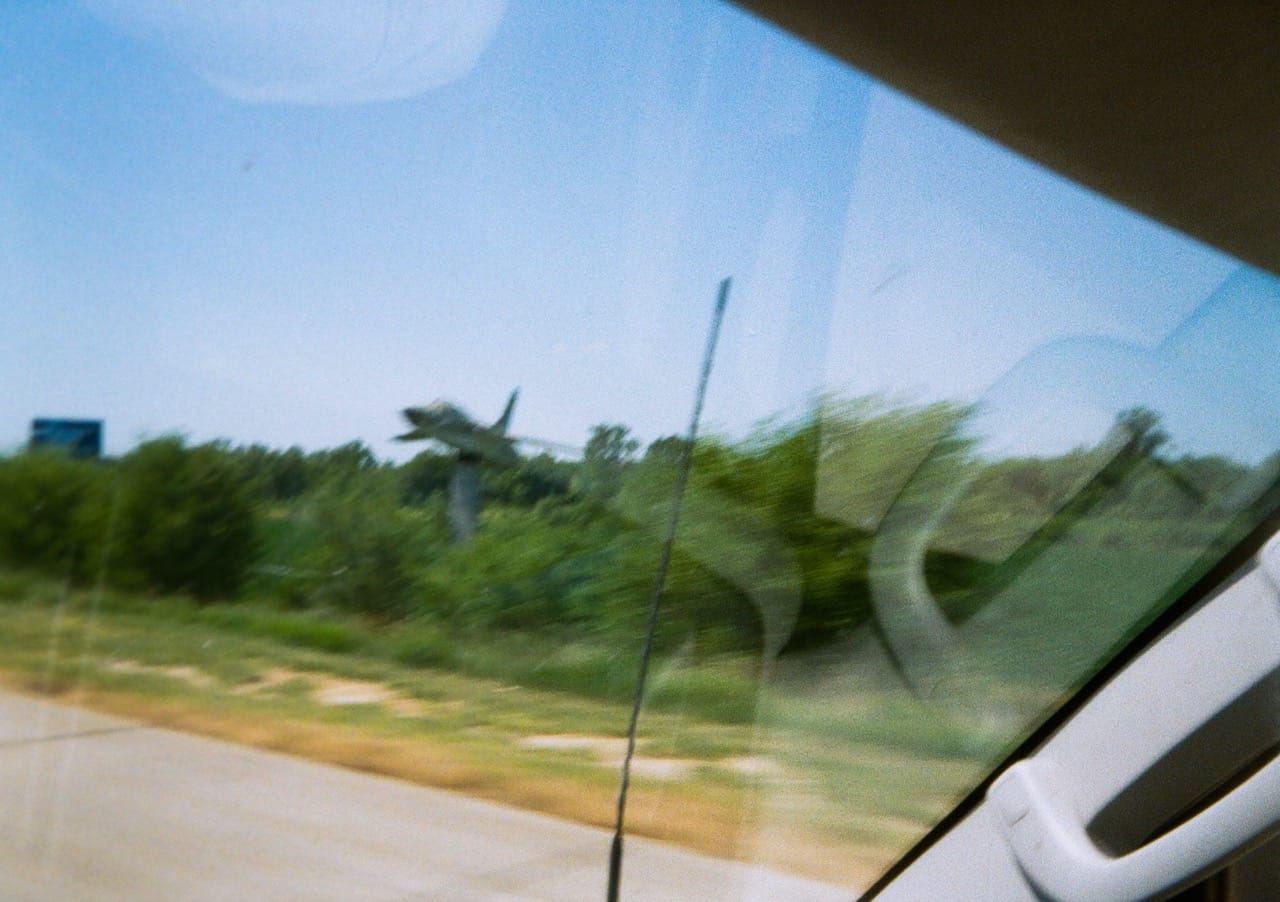
Intentional motion blur (Philadelphia junkyard from a train) vs. unintentional motion blur (military monument, midwestern US from a truck)
Another drawback is that the relatively small aperture means I’m limited to daylight shooting on ISOs of 400 or below. As I said before, the flash doesn’t do much unless you’re within 2 or 3 meters of your subject.

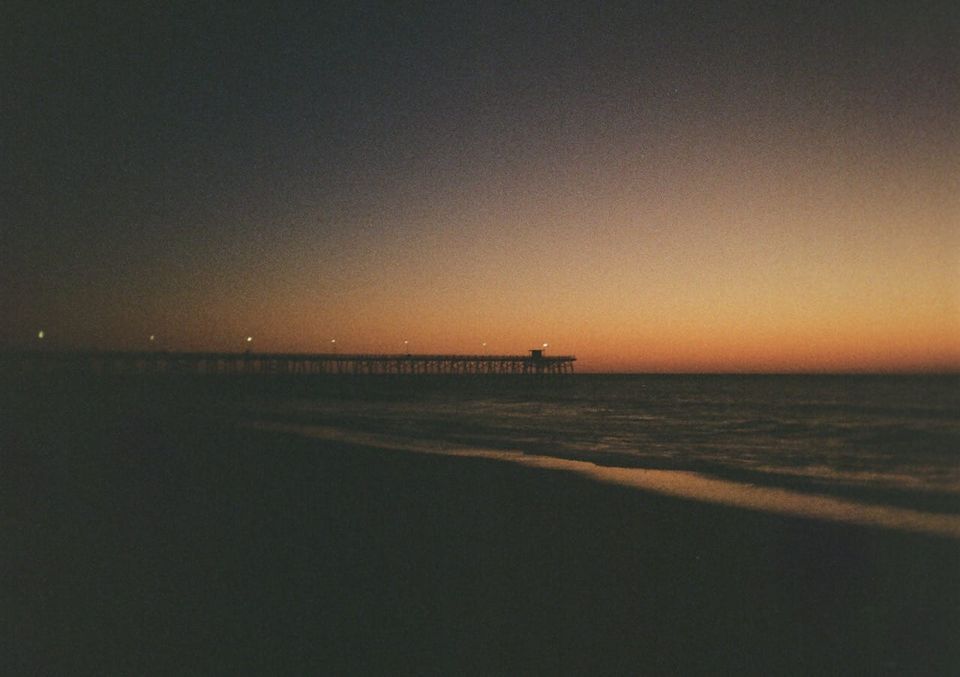
On the whole, though, I’m very happy with this fifty-dollar camera, and I think my composition skills have improved through my use of it. Here are a series of shots I took with it on the waterfront in Brooklyn, in and around Bush Landing, in June of 2026. I’m quite happy with these shots, and I think I used the H35’s qualities in a positive way here.
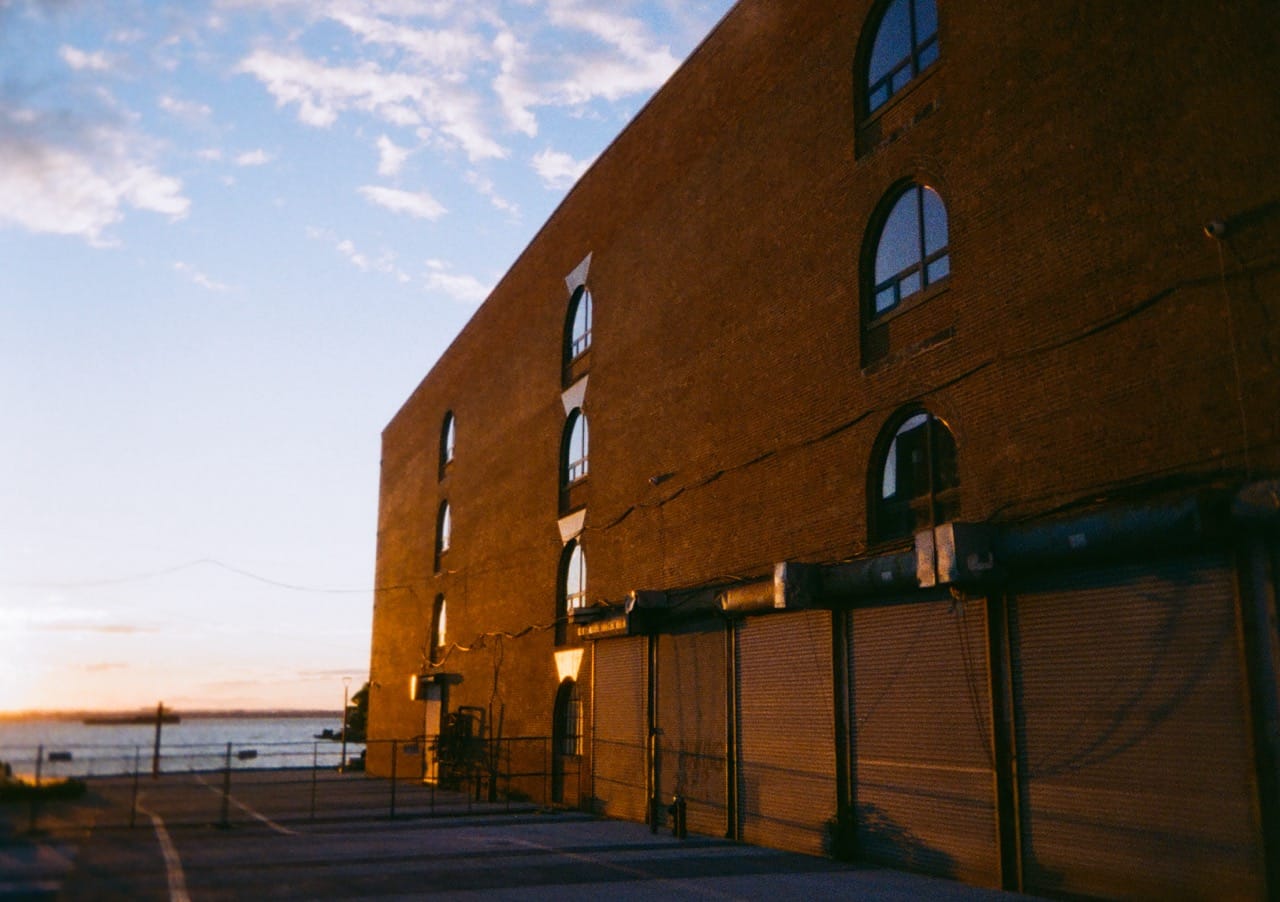



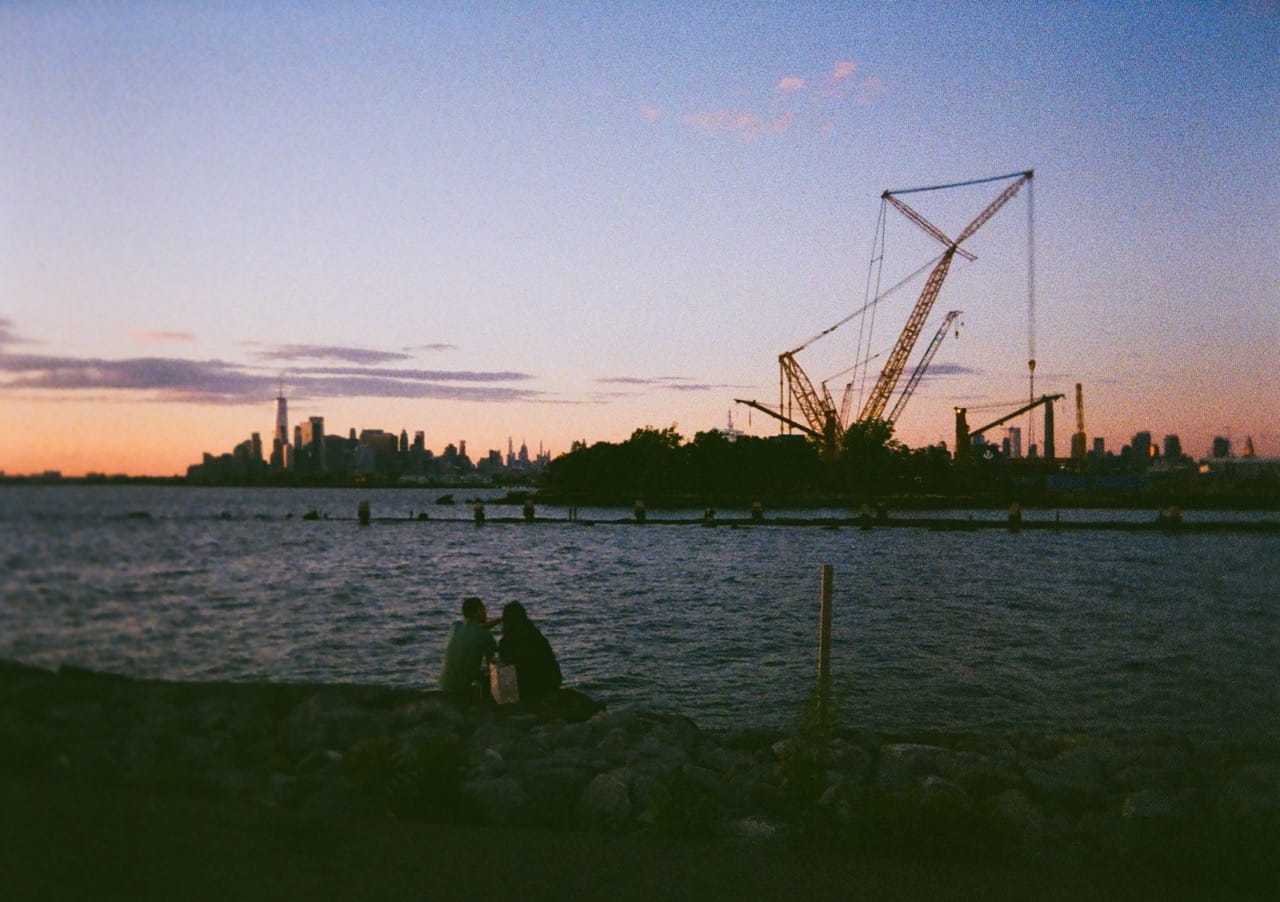

Sunset with the H35 on the waterfront in Brooklyn
If you find yourself wanting to try an H35 for yourself, call or visit your local independent camera store. Odds are they have one in stock (or the ‘upgraded’ version, the H35N, which has a partial glass lens and a ‘bulb’ option for the shutter), and if not, they can easily get you one. I’m not going to link to Amazon to try to make a few pennies off a potential order, since I find independent stores to be troves of knowledge and community. If you’d like to support me financially, you can become a paid subscriber, give me a few bucks as a one-time contribution, or buy some of my art.
In an upcoming post, I’ll share the first part of a photo project I’ve done with the H35. In the meantime, happy half-frame day!
Member discussion